Confused Between ICSE and CBSE? Here’s the Ultimate Guide
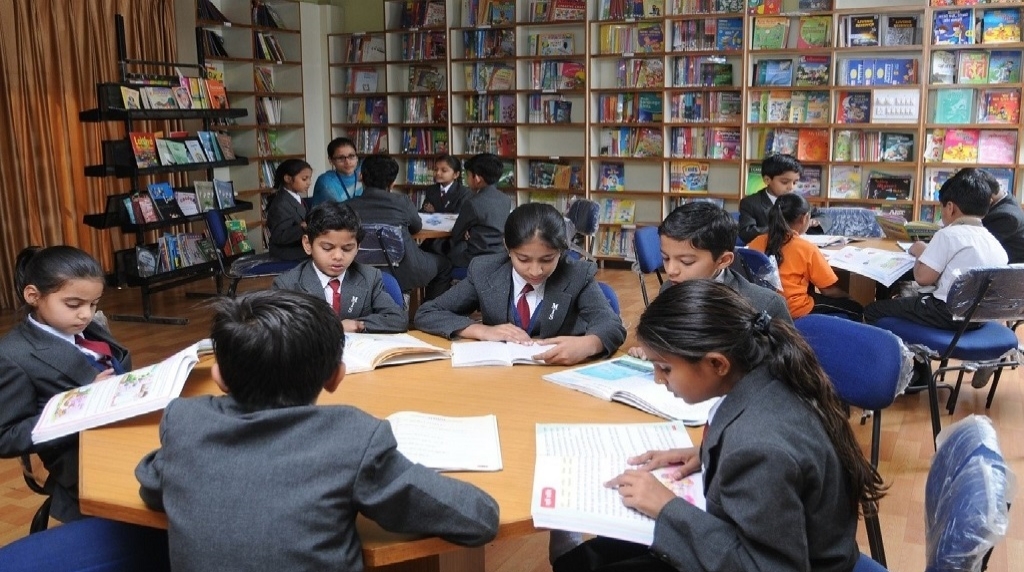
Selecting the best school board is one of the most crucial choices for students and their parents. India has two prominent educational boards that overshadow the academic realm: the Indian Certificate of Secondary Education (ICSE) and the Central Board of Secondary Education (CBSE). Each has its own positives, negatives, and method of instruction.
But which one is best for you or your child? In this blog post, we simplify the entire comparison of ICSE and CBSE so you can make the right choice.
What You’ll Learn:
The principal differences between ICSE and CBSE
Which board is suitable for competitive exams such as JEE/NEET
Major characteristics: syllabus, marking scheme, subjects
Language of instruction, acceptance across the globe, and difficulty level
Expert tips and action steps for parents and students
What is CBSE?
CBSE is Central Board of Secondary Education. It is the Union Government of India’s governing national-level board. Thousands of private and public schools across the nation, such as Kendriya Vidyalayas, Army Schools, and numerous international schools, are affiliated with CBSE.
Established by: Government of India
Medium of instruction: English and Hindi
Textbooks: NCERT (National Council of Educational Research and Training)
Board exams: Class 10 and 12
Focus: Science and Mathematics, with emphasis on competitive exams
What is ICSE?
ICSE is administered by the Council for the Indian School Certificate Examinations (CISCE), a non-government board established in 1958. The curriculum is renowned to be wide, comprehensive, and balanced across subjects.
Established by: Council for the Indian School Certificate Examinations
Medium of instruction: English only
Textbooks: Prescribed by CISCE; not limited to NCERT
Board exams: Class 10 (ICSE) and Class 12 (ISC)
Focus: Literature, arts, science, and overall development
ICSE vs CBSE: Quick Comparison Table
Feature CBSE ICSE
Board Type Government Private
Recognition National & International National & Strong Global Presence
Medium English and Hindi English only
Curriculum Structured and concise Detailed and comprehensive
Exam Format Focus on final exams Includes internal assessments
Best for JEE/NEET aspirants Creative, language-rich learners
Language Focus Balanced Strong emphasis on English
Practical Exposure Moderate High (Project and Lab Work)
Subject Flexibility Limited Extensive
Global Acceptance Good Excellent
Curriculum Differences: CBSE vs ICSE
CBSE Curriculum
Based on NCERT books
Prioritizes Science and Mathematics
Suitable for competitive exams
Subjects such as Social Science, Hindi, and English are there but lack depth
ICSE Syllabus
Comprises subjects such as Environmental Science, Home Science, Commercial Applications, and Arts
In-depth study and project-oriented study
Balanced emphasis on science, arts, and language
Ideal Preparation for Competitive Exams
Competitive Exam Preparation: Who Wins?
CBSE: Best for Competitive Exams
Majority of national-level entrance exams such as JEE (Engineering), NEET (Medical), and UPSC (Civil Services) are based on the NCERT syllabus, the pillar of CBSE.
Directly corresponds to competitive exam pattern
More coaching and resource access with ease
Less project work leaves more time for exam preparation
ICSE: Less Concentrated on Competitive Exams
ICSE’s curriculum, though conceptual in depth, might not be identical to the format of competitive exams. Yet, the emphasis on analytical thinking on its part enables students to perform well in international entrance exams such as SAT, ACT, etc.
Assessment and Grading System
CBSE
Class 10 adopts the Continuous and Comprehensive Evaluation (CCE) approach
Board exams in Class 10 and 12
Marks based on final exams and internal marks (if given)
ICSE
Class 10 and 12 exams have internal assessments and practicals
Project work has 20-30% weightage in final marks
Focus on analytical writing and comprehension ability
Language and Communication Skills
ICSE easily scores over the others in creating effective communication and writing skills.
ICSE expects students to write longer, descriptive answers
Higher usage of grammar and vocabulary
Most suitable for law, literature, journalism, and humanities careers
CBSE, while balanced too, is less concerned with languages and more concerned with technical subjects.
Global Reach: Which Board Has Greater Reach?
CBSE
Most Indian universities accept them
Several schools outside India are CBSE-affiliated
ICSE
Foreign universities recognize them more
More English medium stress provides a strength in international admissions
Verdict: ICSE could provide a smoother experience for students looking to study abroad.
Flexibility in Subjects
CBSE
Specific subjects until Class 10
Fewer elective subjects in senior classes
ICSE
Students can choose from a variety of electives
Offers creative subjects such as Fashion Design, Performing Arts, Agriculture, etc.
This makes ICSE ideal for students with varied interests and non-science career goals.
Which Board is Tougher?
Generally, ICSE is considered tougher due to:
Detailed syllabus
Emphasis on application and theory
Higher English language standards
CBSE is easier in comparison, which makes it more manageable for students aiming to prepare for entrance exams simultaneously.
Learning Styles and Student Needs
Select CBSE if:
Your child is planning to give Indian competitive exams
You prefer a straightforward and uncomplicated curriculum
Your family will be moving (CBSE has schools in more locations in India)
Select ICSE if:
Your child likes writing, research, and arts
You prefer a good foundation in English
You are planning to place your child in a foreign country for further studies
Expert Tips for Parents
Don’t make a choice based solely on trends. Know your child’s strengths.
Visit the schools and compare the infrastructure and staff.
Read reviews from students and parents.
Observe which school has more extracurricular activities.
Speak to alumni of both boards to obtain honest feedback.
Conclusion: Which One is Better—CBSE or ICSE?
There isn’t a straightforward answer. ICSE and CBSE both deliver quality education, but their teaching methods, subject focus, and evaluation vary significantly.
CBSE is best for:
Science and math lovers
Students who are preparing for Indian competitive exams
Families who travel frequently within India
ICSE is more appropriate for:
Artistic and literary students
Students who aim to study abroad
Students interested in the arts, commerce, and well-rounded education
Actionable Steps for Parents and Students
- Download a checklist comparing your child’s requirements to board features
- Investigate syllabus content for Classes 6 to 12 on official websites
- Speak with teachers and education counselors
- Ensure the school you select has proper infrastructure and teaching assistance
- Consult with your child—don’t make it a unilateral decision
Using CTAs:
🔗Download Our ICSE vs CBSE Comparison Checklist (PDF)
🗒️ Official Syllabus Link
📚 NCERT Website for CBSE Syllabus
📚 CICSE Website for ICSE Syllabus
📌Subscribe to Our Education Newsletter for advice and downloads
📌Share this post with friends or parents who may find it useful
Inspirational Quote to Finish On
“Education is the passport to the future, for tomorrow belongs to those who prepare for it today.” – Malcolm X